
Search Franklin County Divorce Records
Franklin County Divorce Records can start at the courthouse in Winchester or move through the Tennessee state archive system if the case is old enough. Recent files stay with the Circuit Court Clerk, while older material may sit in microfilm collections at the Tennessee State Library and Archives. That split matters when you are trying to prove a divorce, trace a family line, or get a certified copy for a legal need. The best search path depends on the date, the court, and whether you need the full decree or only a state certificate.
Franklin County Quick Facts
Franklin County Divorce Records Offices
Franklin County Divorce Records are centered on the Circuit Court Clerk in Winchester. That office keeps the local case file and can provide certified copies of divorce decrees when the request fits the county record. The Franklin County Clerk handles marriage licenses and other county tasks, but divorce requests still go back to the Circuit Court Clerk. That division is useful because it keeps the search focused on the office that actually holds the court packet, not just the office that handles general county business.
For older Franklin County Divorce Records, the Tennessee State Library and Archives is the next important stop. The county research notes show divorce records from 1860 through 1939 and a divorce index from 1900 through 1942 in the archive stream. Those dates make Franklin County a good example of how Tennessee records move from current court custody into historical preservation. If a request is for an older case, the archive path can be faster than a courthouse walk-in, especially when the county seat is not close to where the researcher lives.
The county court source is the first place to check for a current request. The historical archive is the better match for an older one. Franklin County keeps both paths useful.
The local vital-records research page at Archives.com Franklin County vital records points to the county's historical record trail.
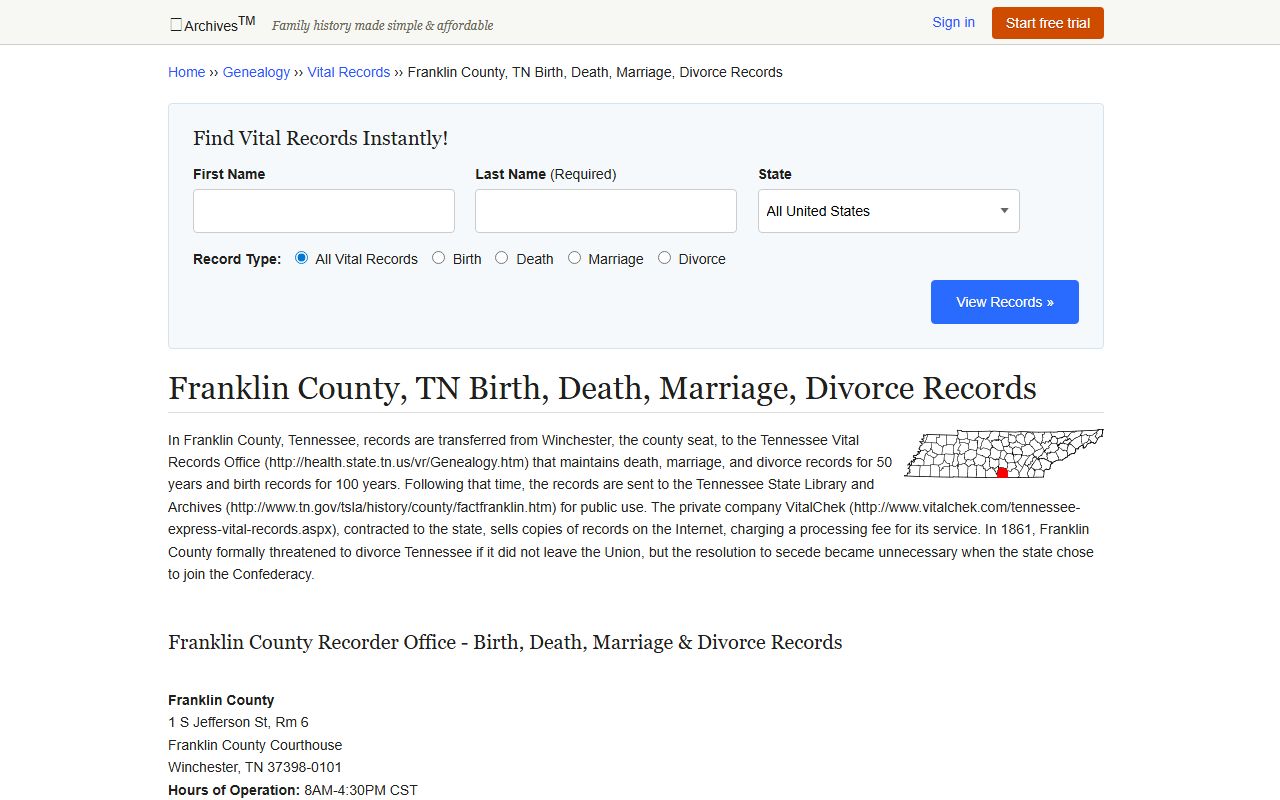
That image is useful because it reflects the kind of record search people often need before they decide whether to request a decree or a certificate.
| Court | Franklin County Circuit Court |
|---|---|
| Clerk | Franklin County Clerk |
| Archive Source | Tennessee State Library and Archives |
| County Seat | Winchester |
How to Search Franklin County Divorce Records
The fastest Franklin County Divorce Records search starts with the spouse's full name, a rough filing year, and the county seat. That lets the clerk narrow the file before any copies are made. If the case is recent, the Circuit Court Clerk is the most direct source. If the case is old, the archive index may point to the right box or reel before a courthouse visit is even needed. Small details help a lot here. A middle initial, maiden name, or estimate of the filing decade can cut search time.
You can also use state tools when a county search gets stuck. The CDC Tennessee vital records page and the Tennessee Vital Records help center explain the state certificate route. That path works best when you need proof that a divorce was recorded, not the full court history. Franklin County Divorce Records searches often begin with the county file and then branch to the state certificate if the person needs a simpler document.
Before you search, gather these basics:
- Full name of at least one spouse
- Approximate filing year or decade
- Winchester or Franklin County as the filing place
- Case number if you already have it
The Eastern District of Tennessee court guide is also useful because it reminds searchers that a verification letter is not the same as a decree. That warning saves time when a family member only needs a record for a name change or other legal formality. Franklin County Divorce Records are easier to manage when the exact document type is clear from the start.
Note: Older search requests often work best when you ask for the divorce decree first and the certificate only if the decree is not needed.
Franklin County Filing Steps
When a divorce is filed in Franklin County, the case begins at the Circuit Court Clerk and follows Tennessee filing rules from there. The clerk creates the file, assigns the case number, and keeps the papers that later become part of Franklin County Divorce Records. If the parties settle the case, the file may be lighter. If the case is contested, the packet can grow fast. Either way, the county clerk is the starting point for the record trail.
Tennessee filing law shapes the county search path. Under T.C.A. 36-4-104, residency rules depend on where the grounds for divorce arose. Under T.C.A. 36-4-101, Tennessee allows irreconcilable differences when both spouses agree, but fault grounds still exist for cases that do not settle. Franklin County Divorce Records may reflect either path. That is why a case file can contain a complaint, an answer, an agreed order, or a contested hearing record.
The waiting period is part of the paper trail too. Under T.C.A. 36-4-101, the court waits 60 days without minor children or 90 days with minor children before finalizing the divorce. That wait shows up in the timing of the decree. The final order is the cleanest proof that the case ended. If property division matters, T.C.A. 36-4-121 explains Tennessee's equitable distribution rule, which can also shape the file contents in Franklin County.
Note: A Franklin County divorce file can include more than the final decree, especially if support or property questions were disputed.
What Franklin County Divorce Records Show
Franklin County Divorce Records usually include the core case papers a person expects, but the detail level depends on how the case moved through court. A plain divorce index may only show the names and date range. A full court file can show much more. That is why people often ask for a decree instead of a summary record. The decree gives the legal result. The broader file gives the case story.
Typical Franklin County Divorce Records may show the spouses' names, the filing date, the court, the divorce date, and the county where the case ended. They can also show whether the divorce was agreed or contested. If the court ruled on support, custody, or property, those details may appear in the attached papers. Court files can also include settlement terms and other documents that never appear in a short state certificate.
Public access still has limits. Tennessee Divorce Records are generally open, but sensitive details may be redacted from public copies. Social Security numbers, account numbers, and some child-related information are the most common examples. The record stays public in shape, but the copy you receive may have blanks or blacked-out lines where privacy rules apply.
A Franklin County search is easier when you know whether you need a decree, an index, or a state certificate.
The archive guide at Tennessee State Library and Archives vital records guide is useful because it shows how old Tennessee Divorce Records move from local custody into historical collections.
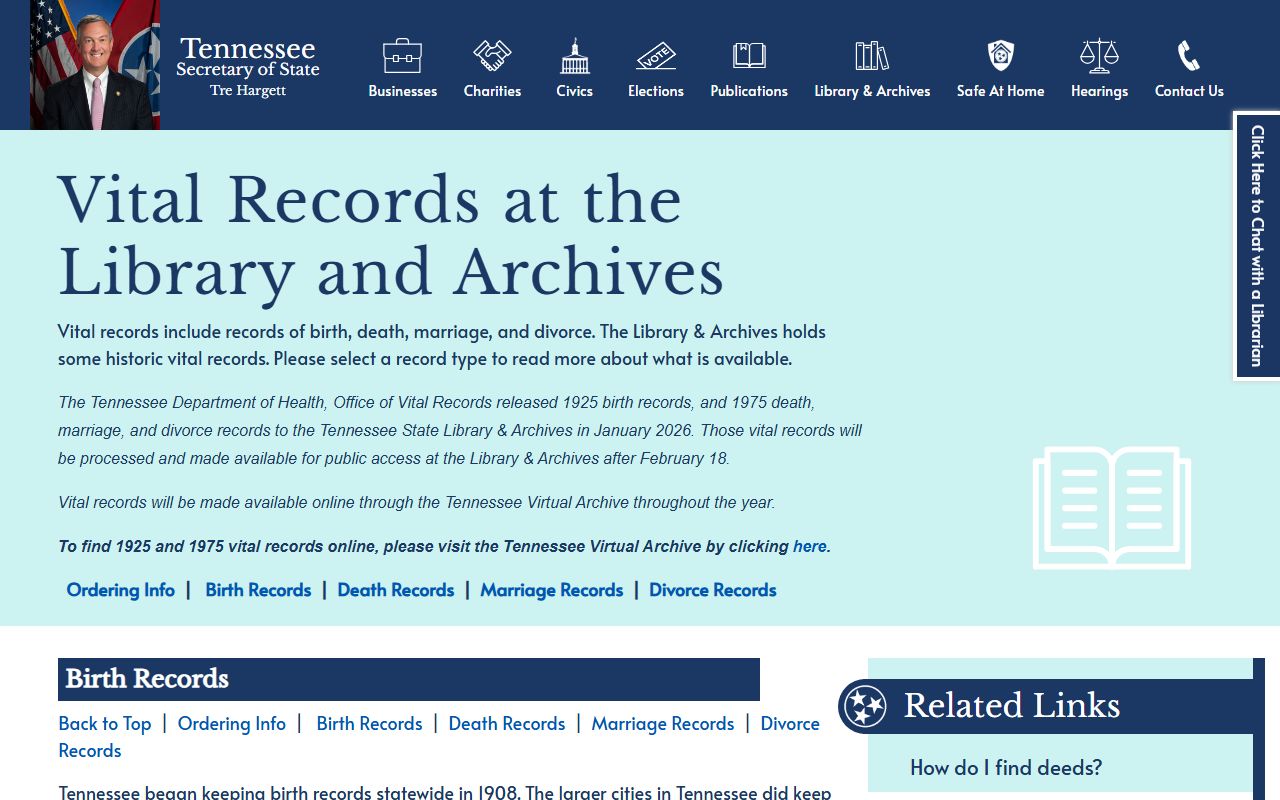
The archive guide is useful because it shows how old Tennessee Divorce Records move from local custody into historical collections.
The state certificate route at Tennessee Vital Records help center is also worth remembering because it confirms the event without giving you the full file.
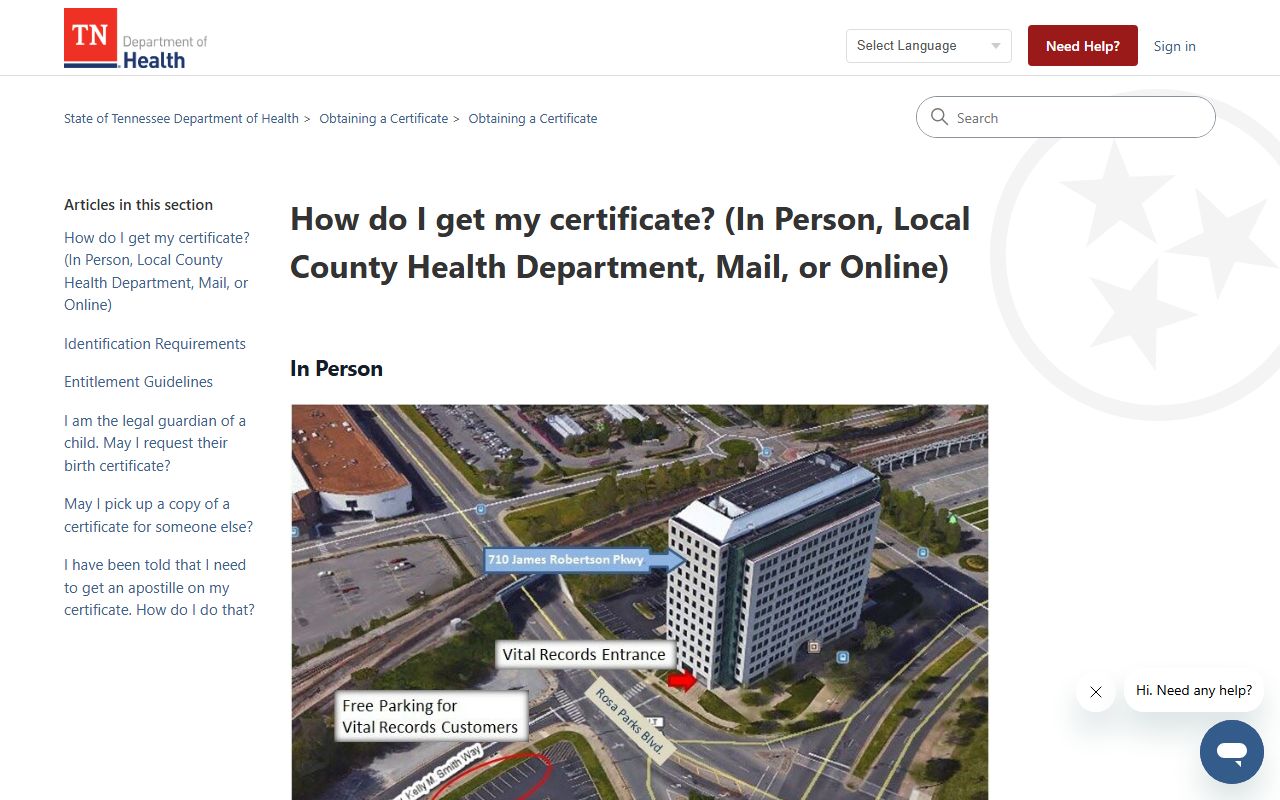
That state guide is helpful when a person needs quick proof that a divorce was recorded, not the full court packet.
Historical Franklin County Divorce Records
Older Franklin County Divorce Records often lead researchers to the Tennessee State Library and Archives. That is where the county's microfilmed divorce materials and indexes are most useful. The date ranges in the research notes, especially 1860-1939 and 1900-1942, show that Franklin County has a real historical trail, not just a current court file. If you are tracing a family line, those dates can point you to the right decade before you ever ask for a copy.
Historical work also benefits from the state context. The Secretary of State divorce FAQ and the Library of Congress Tennessee guide both point researchers back to the state archive path for older Tennessee Divorce Records. That matters because county records may be scattered, but the archive system gives you a stable place to begin. Franklin County researchers can also use the county's founding date, 1807, to understand how early the local court system was in place.
Genealogy researchers often use historical indexes first, then move to the court file if they need the full story. That is a sensible Franklin County approach.
For another historical clue, the county archive entry at Tennessee State Library and Archives Franklin County history is a good starting point.
That page helps connect Franklin County Divorce Records to the larger court and archive record set kept by Tennessee.
Note: A historical index can help you find the divorce faster, but it does not replace the actual decree when you need proof.
Get Franklin County Divorce Records Copies
To get copies of Franklin County Divorce Records, start with the Circuit Court Clerk in Winchester if the case is local and not very old. That office can usually tell you whether the file is active, archived, or ready for a certified copy request. If the record has shifted into a historical collection, the Tennessee State Library and Archives becomes part of the search path. If the request is only for a certificate, the Tennessee Office of Vital Records is the right office instead.
The state certificate process has its own steps. Tennessee lets requesters order in person, by mail, or online through VitalChek. The state also expects proper identification and a completed application for many certificate requests. That is a different process from asking the county clerk for a full decree copy. Franklin County Divorce Records searches go faster when the request is aimed at the exact document you need.
If you are not sure which copy to ask for, the safest phrase is often "certified copy of the divorce decree" for court use or "state divorce certificate" for simple proof. That keeps the county clerk or state office from guessing for you.
The county court record page at Franklin County Circuit Court is the most direct local reference for copy requests.
It is the best place to confirm how a Franklin County Divorce Records request should be routed before you send money or mail.