
Access Hardeman County Divorce Records
Hardeman County Divorce Records begin in Bolivar, where the circuit court clerk keeps the case file and the chancery side handles related equity work when needed. Hardeman County was established in 1823, so the county has a long paper history and older material may turn up in state archives as well as in the current court office. If you need the decree, the county court is the key stop. If you only need proof that the divorce happened, the Tennessee certificate system may be the faster route. This page pulls the county clerk, court, state vital records, and archive sources into one Hardeman County Divorce Records guide so you can choose the right path before you start.
Hardeman County Quick Facts
Hardeman County Divorce Records Office
The Hardeman County Circuit Court handles divorce proceedings and keeps the divorce case file in Bolivar. The county clerk office also sits in Bolivar and handles marriage licenses and county business, while the chancery clerk can matter when property or equity questions overlap with the divorce. That means the office you use depends on what part of the case you are trying to reach. For most Hardeman County Divorce Records searches, the circuit court clerk is the first stop because that office can provide the decree and the surrounding case papers. If you are not sure which court handled the matter, start with the circuit side and ask the clerk to point you to the right file path.
The county research set gives the circuit court link at tncourts.gov/courts/circuit-court/hardeman-county and the county clerk link at hardemancountytn.gov/county-clerk. The Archives.com summary also notes the chancery clerk at (731) 658-3142 and the records office in Bolivar. That local detail helps when a divorce file has an equity issue or a later land problem tied to the decree. In Hardeman County, a certified decree can matter well beyond the divorce itself because it may be used to clear ownership or prove the end of the marriage in another office.
For the county research snapshot, review the Hardeman County vital records page at archives.com/genealogy/vital-records-hardeman-county-tn.html.
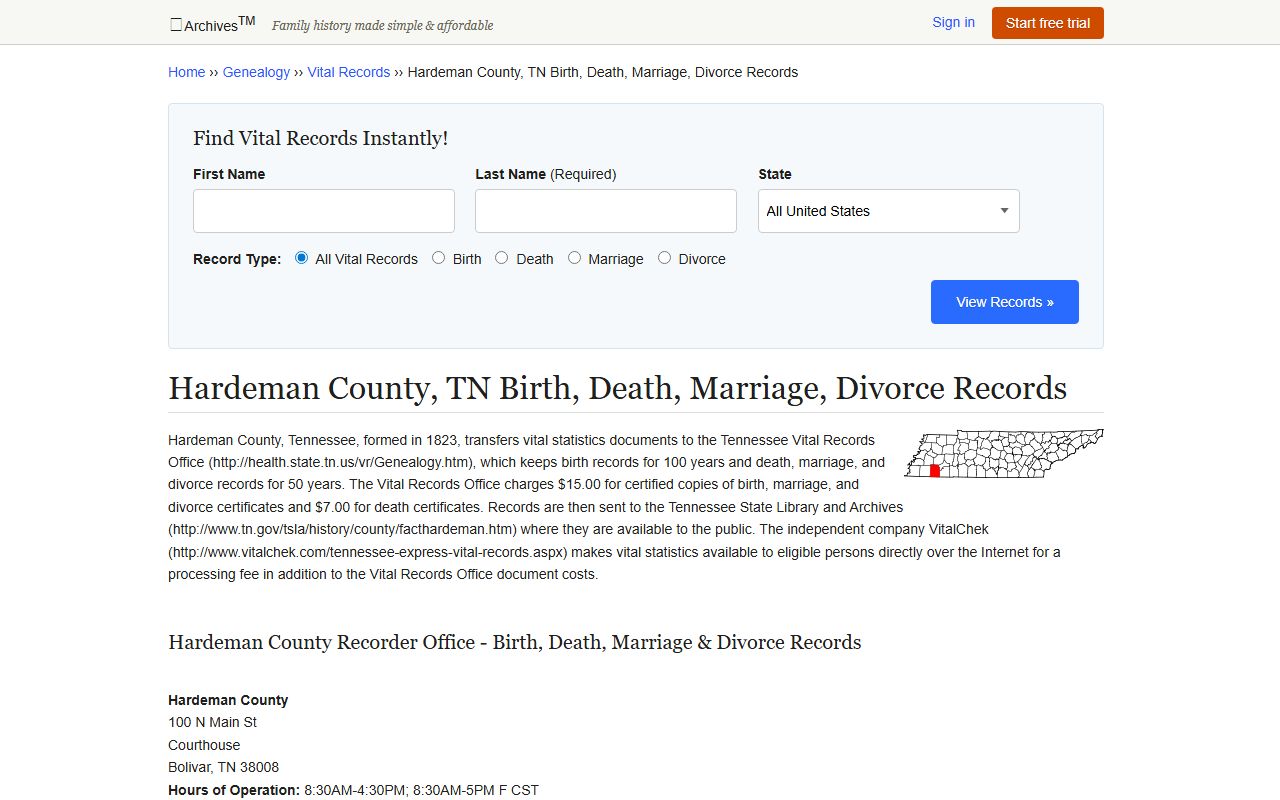
That image shows the local county record path and gives a direct bridge to the older state archive system.
Note: Hardeman County uses both circuit and chancery resources, so do not assume every divorce file lives in the same room.
Search Hardeman County Divorce Records
The simplest Hardeman County Divorce Records search uses the spouse names, the county, and the filing year. A case number is helpful, but you can get started without it. If the file is recent, the circuit clerk may locate it quickly. If it is older, the clerk may need more time or may tell you that a state archive reference is the better lead. That is normal in a county with an older record run. The key is to ask for the decree if you need the court order itself and for the certificate if you only need proof that the divorce happened.
Tennessee Vital Records keeps the short state certificate for divorce records and explains the in-person, mail, and online order options. That route works well when you need a clean proof document and do not need the whole case packet. For Hardeman County Divorce Records, the county decree is still the stronger document for property, support, or name-change work. A certificate confirms the event. A decree shows what the court ordered. The difference matters more than most people expect, and it is the reason the county office and the state office both deserve a spot in your search plan.
Use these items when you prepare the request.
- Full name of one spouse
- Approximate filing year
- Hardeman County as the filing county
- Case number, if known
- Whether you need a decree or certificate
For the state certificate side, use the Tennessee Vital Records help center. It covers the Tennessee Divorce Records certificate workflow in plain language.
Hardeman County Divorce Records and Fees
Hardeman County Divorce Records can carry several fee layers. The county clerk may charge for copies, certifications, and searches. The state certificate has a fixed fee, and Tennessee Vital Records lists that copy at $15.00. If you use the official online vendor, a processing fee may also apply. The Archives.com summary for Hardeman County also notes that the Vital Records Office keeps divorce records for 50 years, then sends older material to the Tennessee State Library and Archives. That retention rule is useful because it tells you when to stop asking the active office and start asking the archive system instead.
The safest way to manage the cost is to match the order to the use. If you need a quick proof record for a filing or family matter, the certificate is usually enough. If you need the actual court order, ask the circuit clerk for the decree. That is the document other offices tend to trust when a divorce changes a deed, a name, or a later legal record. In Hardeman County, the wrong copy can cost both time and money, so it is worth deciding in advance whether you need the state certificate or the county decree.
For the official certificate fee path, see the Tennessee VitalChek page at vitalchek.com/vital-records/tennessee/tennessee-vital-records.

That image matches the ordering section because it shows the state-approved online vendor used for Tennessee Divorce Records certificates.
Note: The $15 state certificate fee does not include the county court file, so keep those two requests separate.
Historical Hardeman County Divorce Records
Historical Hardeman County Divorce Records can be especially helpful because the county dates back to 1823. Older files may live at the Tennessee State Library and Archives instead of the active court counter in Bolivar. That happens after the retention window passes and the active office no longer keeps the oldest case packets on hand. If you are searching a family line that stretches into the nineteenth century, the archive route may give you the best first clue. Hardeman County court records have been microfilmed for older research, and that can make a long search much shorter once you know where to look.
The Tennessee State Library and Archives guide at sos.tn.gov/library-archives/guides/vital-records-at-the-library-and-archives explains the move from current office records to archive custody. The Secretary of State FAQ at sos.tn.gov/tsla/faqs/how-do-i-find-divorce-records points readers back to the guide for older holdings. Those pages are useful when the file is too old for a quick counter search but still likely to exist on microfilm or in an old county record series. For Hardeman County Divorce Records, that historical route is often the difference between a guess and a real record lead.
The archive guide is the best tool when the local file has aged out of current use.
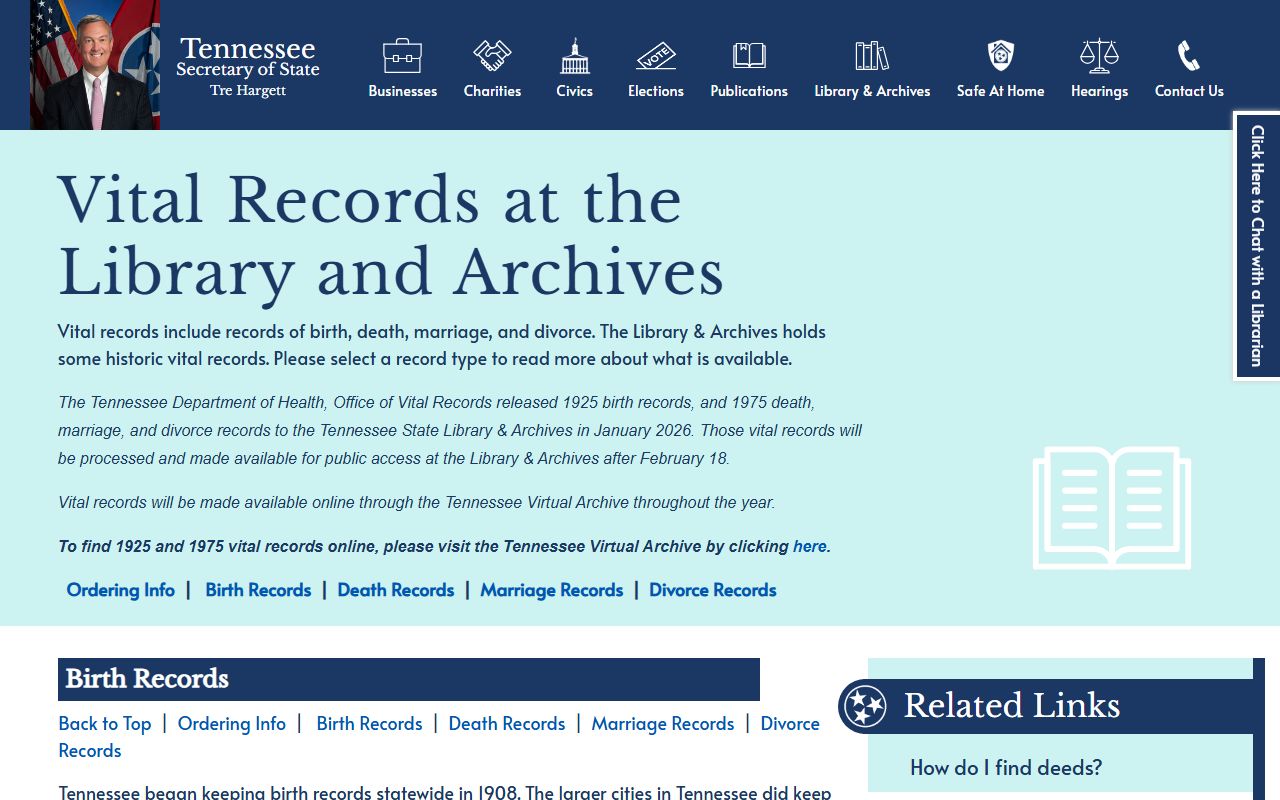
That image supports the archive path because it points to the state repository that holds older Tennessee Divorce Records.
Public Access to Hardeman County Divorce Records
Hardeman County Divorce Records are generally public, but public access still has limits. A court file may be redacted so sensitive details do not appear on the copy you get from the clerk. The Tennessee Public Records Act is the broad access rule, while the state exceptions guidance explains why some pages stay protected. In a divorce file, those protected parts often include financial data, child-related detail, or other private information. That means you can often inspect the case, but not always every line in it. If a file comes back partially blank, that is usually a privacy rule at work rather than a broken search.
The state entitlement rules matter more for the certificate than for the county court file. Tennessee Vital Records uses those rules to decide who can request a divorce certificate and what proof they need. The filing rule in Tennessee Code Annotated section 68-3-402 is the piece that links the county file to the state record. The court clerk reports the divorce, the state registers it, and the state certificate becomes available later. For Hardeman County Divorce Records, that is why the same divorce can be found through two different offices with two different proof standards.
For the privacy rules, review how to obtain divorce records in Tennessee.
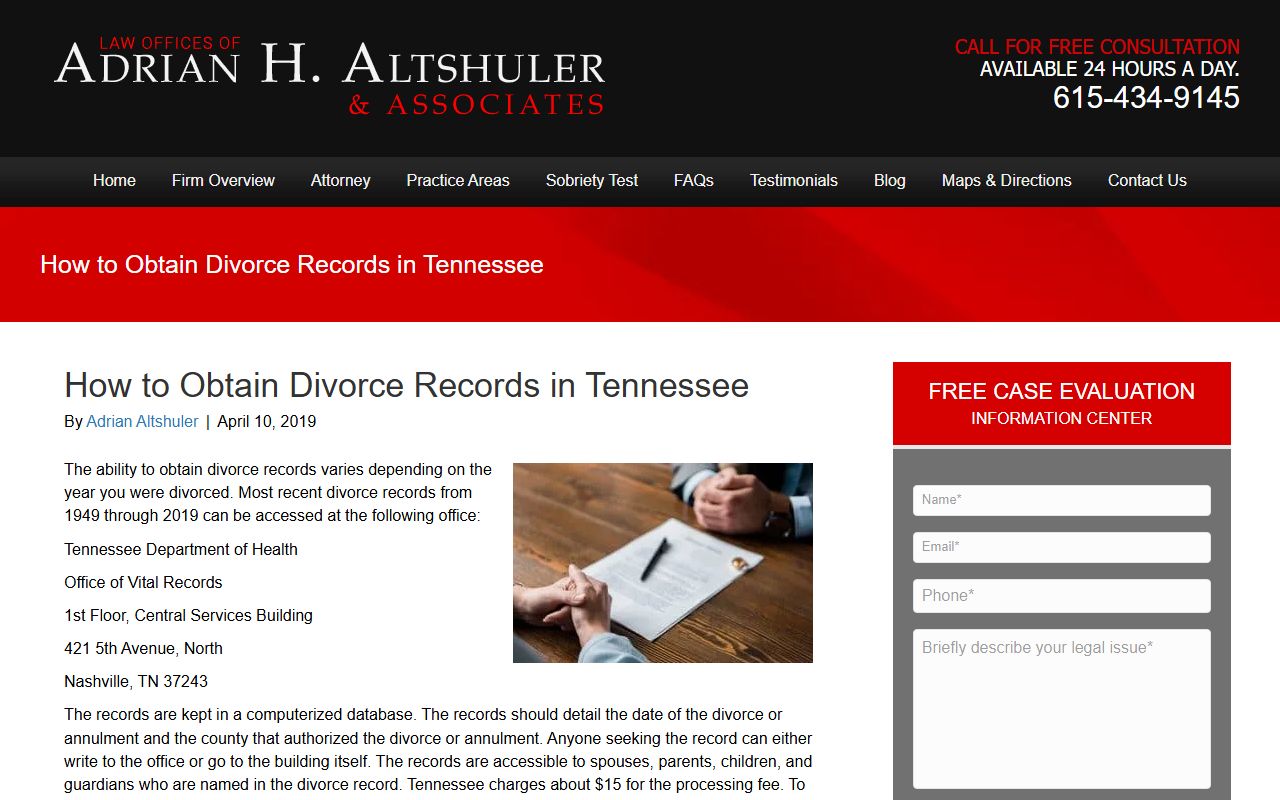
That image is a useful final check because it helps separate the county decree from the state certificate and the related public access rules.
Note: A public divorce file may still have redacted lines or sealed pages when the court has protected private parts of the case.
Related Hardeman County Records
Hardeman County records that sit next to divorce records include marriage licenses, land records, and older court files. The county clerk is the marriage office, while the circuit court keeps the divorce file. If the divorce changed property, the county recorder office or chancery side may matter later because the decree can be used to support a deed change. That is why Hardeman County Divorce Records searches often reach beyond the court itself. The decree may be the real record you need, but the related land and marriage records can help you prove the date or show how the case affected other filings.
The county clerk page at hardemancountytn.gov/county-clerk is a useful starting point for related county records. The Library of Congress Tennessee guide at guides.loc.gov/tennessee-local-history-genealogy/vital-records can help when you need the wider research picture. When the case is old, the state archive guide may be the best place to start. When the case is recent, the circuit court clerk is still the fastest path. For Hardeman County Divorce Records, the best answer often comes from using those sources together instead of trying only one office.
Before you leave the page, the circuit court link is still the best county office to keep open at tncourts.gov/courts/circuit-court/hardeman-county.
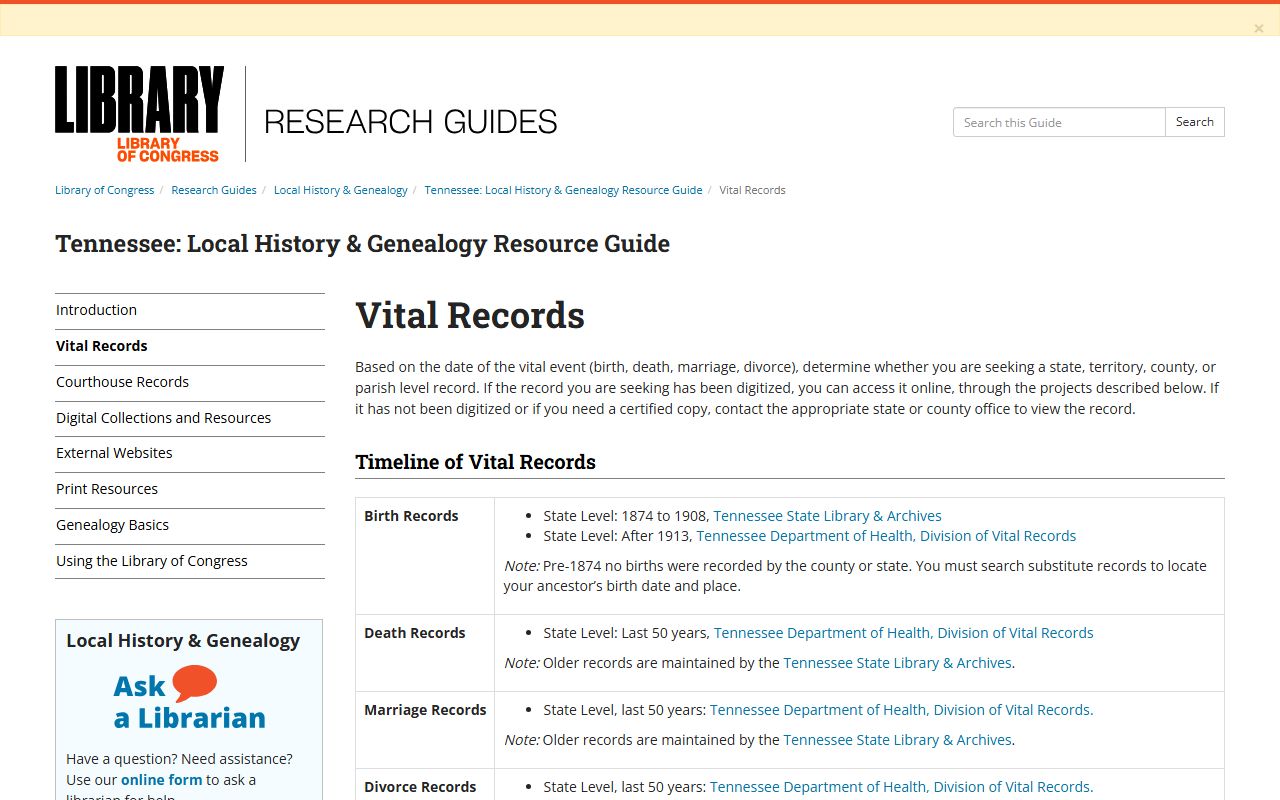
That federal guide is a good final reference when you are deciding whether the county file or the archive route will get you to the right Tennessee Divorce Records copy.