
Search Johnson County Divorce Records
Johnson County Divorce Records usually start with the Circuit Court Clerk in Mountain City. That office keeps the county case file and can provide certified copies when a request needs the full decree rather than a short state certificate. Johnson County is small, but the record path still has a clear split between the courthouse file, the county clerk office, and the state vital records system in Nashville. If you know the spouse names and the rough filing year, you can usually narrow the search fast. If the case is older, the Tennessee State Library and Archives can help point the search toward microfilm and other historical holdings.
Johnson County Quick Facts
Johnson County Divorce Records Office
The Johnson County Circuit Court handles divorce proceedings and keeps the record file in Mountain City. That is the office to contact when you need the complaint, the decree, or a certified copy of the court order. The county clerk office is nearby and handles marriage licenses and other county business, but divorce records stay with the circuit court clerk. That distinction matters in a small county because a lot of record requests start in the wrong office and have to be sent over again.
When a Johnson County divorce case is active or just finished, the clerk can often use the party names and the filing year to locate the right packet. That is why the county court page is the first useful stop for Johnson County Divorce Records. The court is the local source, and the state record office only becomes useful once the request shifts from the full case file to the shorter certificate record. If you want the exact court file, start with the circuit court clerk instead of the county clerk.
For the county court source, use the Johnson County Circuit Court.
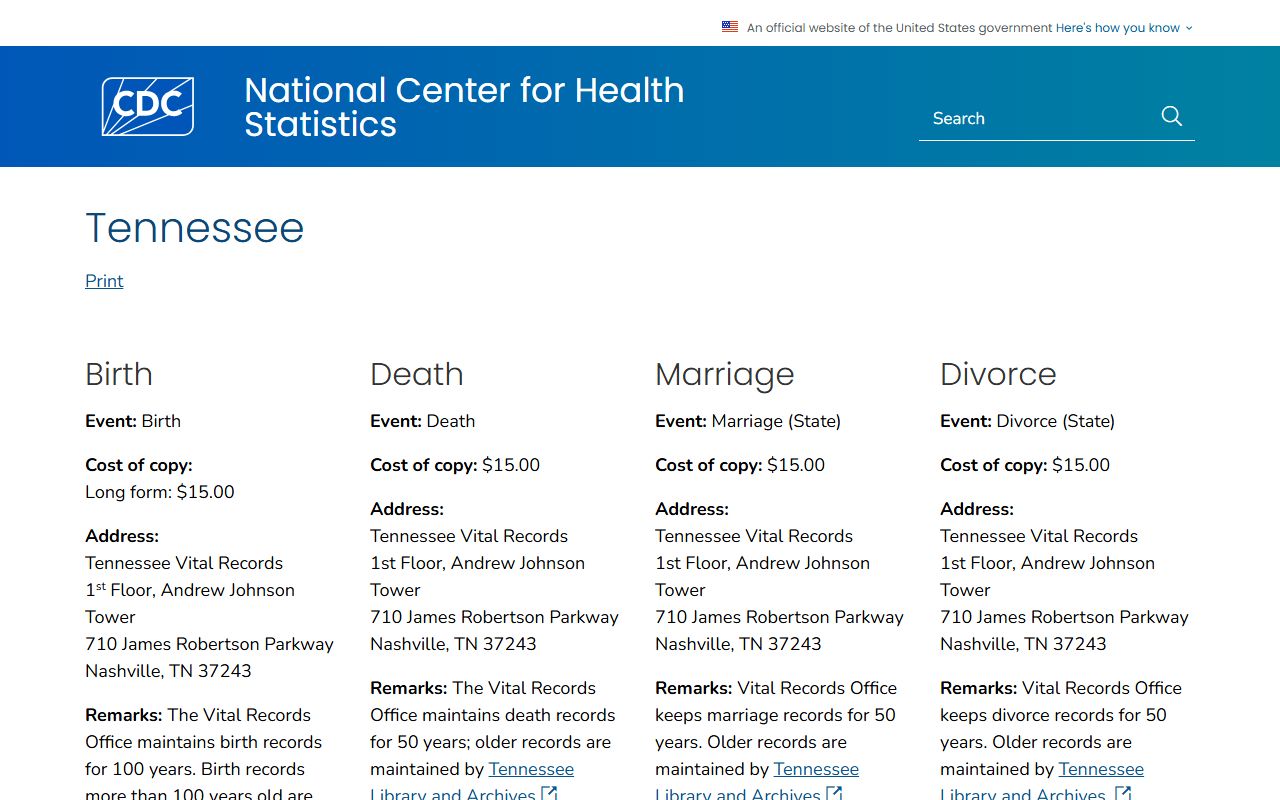
That state overview helps show where the certificate side of Johnson County Divorce Records fits into the larger record path.
Note: The county clerk can help with marriage context, but the divorce case file itself belongs with the circuit court clerk.
Search Johnson County Divorce Records
A clean search request saves time. Give the clerk the spouse names, the county, and a rough filing year. If you know the case number, include it. If you only need a search and not a copy, say that directly. Johnson County Divorce Records searches are easier when the request is narrow, because the clerk can move straight to the right file instead of sorting through a wide date range.
The state certificate route is different. The Tennessee Office of Vital Records keeps the certificate side of the record and explains how to request it by mail, in person, or online through the state process. That record confirms the divorce happened, but it does not replace the full county decree. People often use the certificate for simple proof and the court file for legal follow-up work. For Johnson County, knowing that difference keeps the request from going to the wrong office.
- Full names of both spouses
- Approximate filing year
- County where the case was filed
- Case number, if you have it
Use the Tennessee Vital Records help center for the state certificate route at vitalrecords.tn.gov.
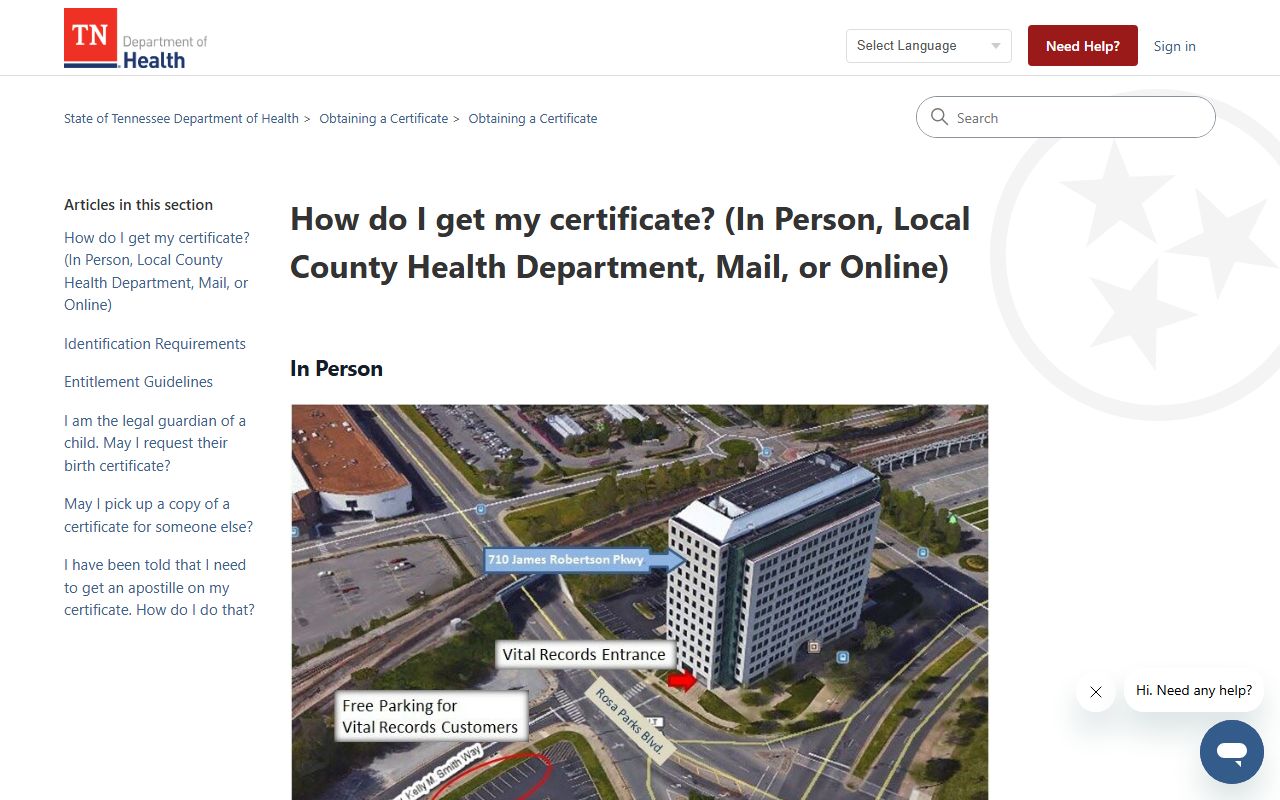
That page is the best match when you only need a certified divorce certificate instead of the full Johnson County court file.
Johnson County Divorce Records Fees
Fees vary by office and by copy type. The Johnson County Circuit Court can charge for plain copies and certified copies, and the amount can change over time. If you only need to confirm whether a case exists, ask first about a lookup before you order copies. That keeps the cost down when all you need is a docket check. Certified copies cost more because they carry the clerk's certification, and that is usually the form people need for legal use.
The state fee is simpler. Tennessee Vital Records sets the certified divorce certificate fee at $15 per copy. That price covers the state certificate only. It does not replace the county decree, and it does not include any added processing fee that may apply if you order online. Johnson County Divorce Records searchers should decide which document they need before they pay, because the wrong document can add extra time and cost.
For county copy pricing, the circuit court clerk is the right office to ask. For the state certificate price, use the official Tennessee Vital Records help page. The county and state fees are not the same, and they serve different record needs.
Look at the county clerk office for related records at the Johnson County Clerk.
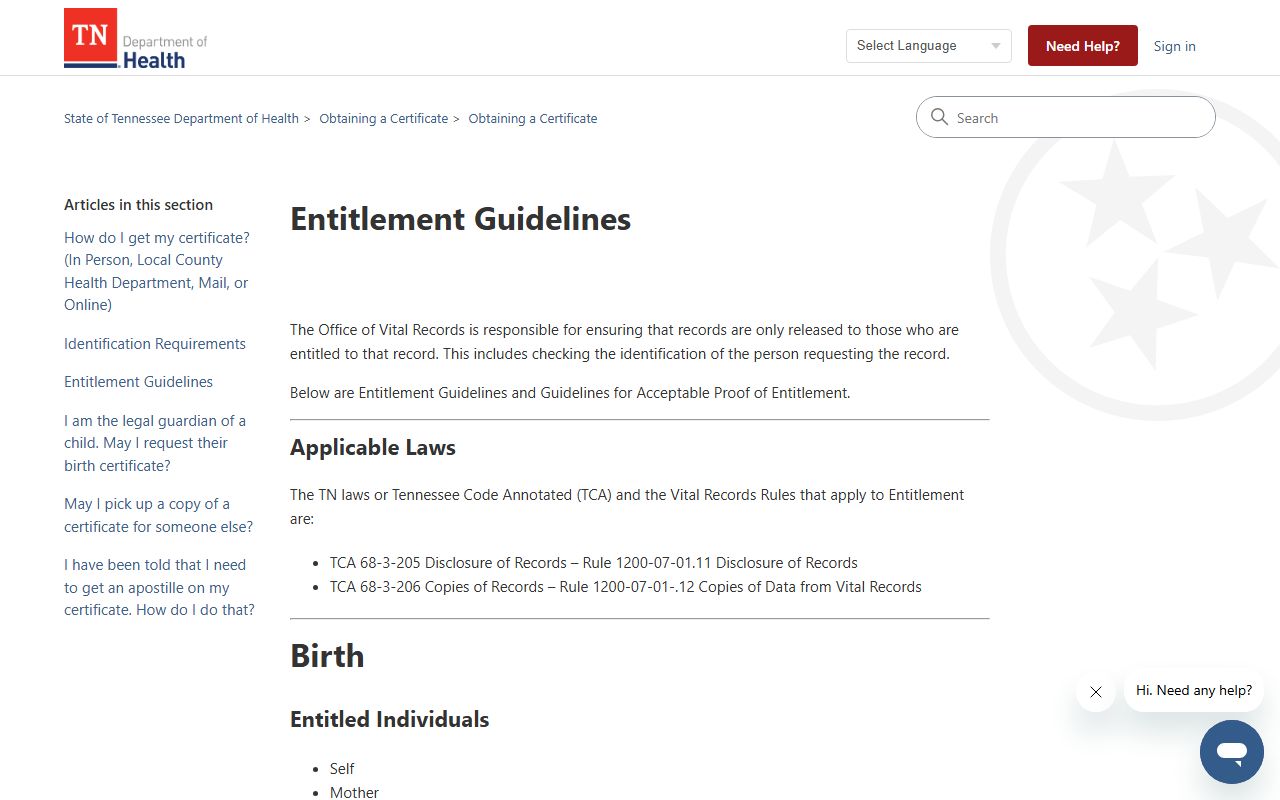
That state view is useful because it shows who can request certain Tennessee divorce certificates and what proof may be needed.
Note: A county certified copy and a state certificate are not the same record. Choose the one that matches your use.
Historical Johnson County Divorce Records
Johnson County was established in 1836, and older divorce material can turn up in the Tennessee State Library and Archives. The county archive trail is useful when a file is too old for a quick courthouse pull or when the record has moved into microfilm or index form. In a county this size, historical records may be the fastest way to find a surname, a year, or a court term before you ask for a copy. That makes Johnson County Divorce Records a good fit for both legal searches and family history work.
The state archive trail does not replace the county clerk. It just gives you another path when the courthouse file is thin or old. If you are searching an older divorce, the state library and archives guide can show where Tennessee keeps historical vital records after the active retention period ends. That matters because older Johnson County Divorce Records may be easier to spot in an index than in a live case file. Once you have the right year, you can go back to the circuit court clerk for the actual decree copy.
For the archive guide, use the Tennessee State Library and Archives vital records guide.
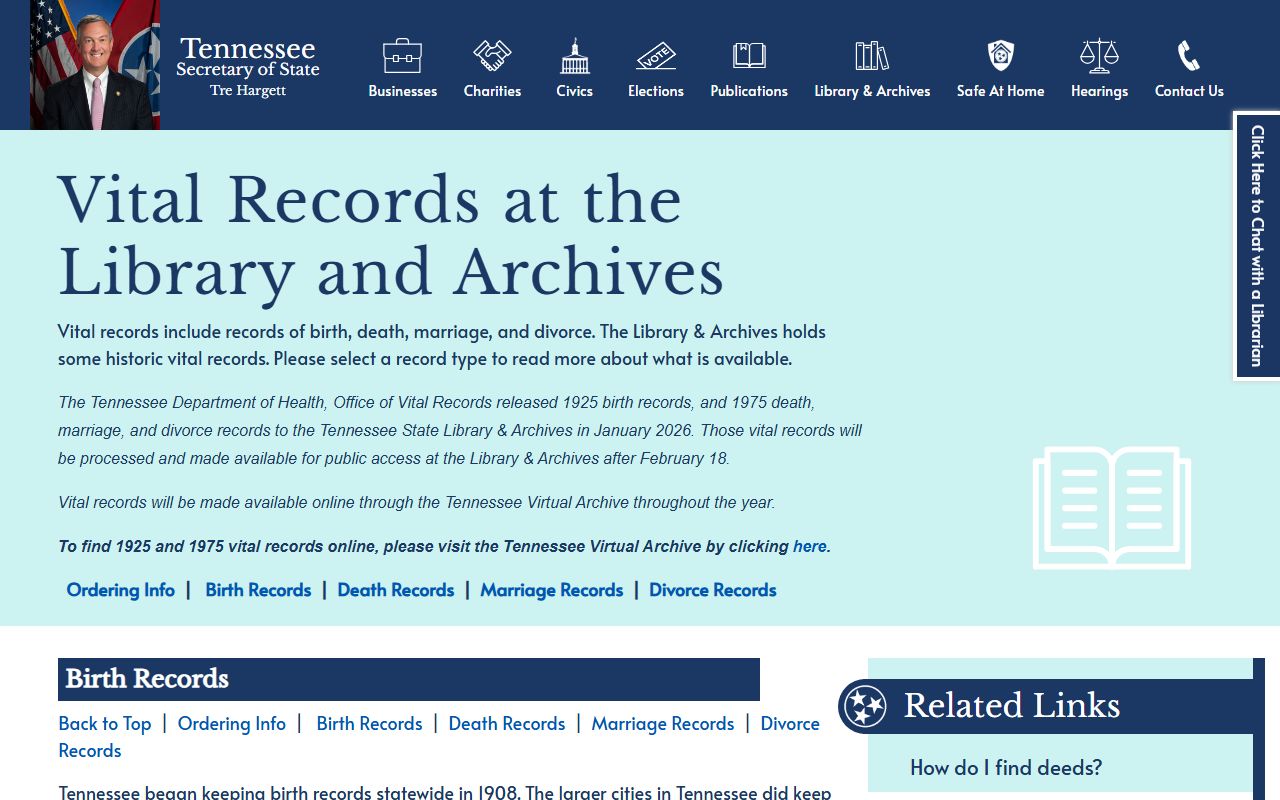
That image fits the historical search path because it points to the state repository that handles older Tennessee records.
Order Johnson County Divorce Records
If you need the full county decree, order it from the Johnson County Circuit Court Clerk. If you need the shorter proof-of-divorce record, use the Tennessee Office of Vital Records. That split is the key to a clean request. The county file is local, while the certificate is part of the statewide record trail. The county court can often tell you which version fits your need if you describe the purpose clearly.
In-person requests are best when you want to ask questions and get pointed to the right desk. Mail requests work when you already know the names and dates. The state certificate route is also good when a requester needs a document for a name change, remarriage, or another simple proof task. Johnson County Divorce Records are easier to order when you decide up front whether you need the court packet or the state certificate.
Use the CDC Tennessee overview again if you want the state record route at cdc.gov/nchs/w2w/tennessee.htm.
That page gives a broad state starting point for ordering a Tennessee divorce certificate.
Note: If the request needs the court's actual decree, the state certificate is only a shortcut, not a substitute.
Public Access and Related Records
Johnson County Divorce Records are generally public, but courts can still protect sensitive details in the file. That is normal. A public record can still be redacted, and sealed pages stay sealed. The Tennessee reporting rule at T.C.A. section 68-3-402 is one reason the county clerk sends divorce information to the state system. It creates the statewide certificate trail while the court keeps the full local file.
Related records matter too. Marriage licenses, land records, and other county papers can help you place a divorce in context. If the marriage record is hard to find, the county clerk office can help you work back from the divorce side. If the divorce is old, the Tennessee State Library and Archives may be the faster route to the basic date or name. That is why many Johnson County searches use more than one office before the final copy request goes in.
For a broad county browse view, use /counties.html.
That page makes it easier to move from Johnson County Divorce Records to other Tennessee county record pages when you need a wider search.