
Search Moore County Divorce Records
Moore County Divorce Records are kept in Lynchburg at the circuit court clerk's office, with state certificate copies handled through the Tennessee Office of Vital Records. Moore County is small, so the search path is usually direct. The county court file is the main record when you need the decree or the case packet. The state certificate is the simpler proof record. For older cases, the Tennessee State Library and Archives can help because the county has a record history that stretches beyond the live courthouse shelf.
Moore County Quick Facts
Moore County Divorce Records Office
The Moore County Circuit Court Clerk keeps Moore County Divorce Records in Lynchburg. That is the office to contact when you need the case file itself. The county clerk office handles marriage licenses and other local paperwork, but the divorce file stays with the circuit court clerk. The county research points to that division directly. It is the same statewide pattern, but Moore County makes it feel especially clear because the county is small and the offices are easy to separate in your mind.
If you need a fresh decree copy, start with the circuit court clerk. If you need a marriage record to help frame the request, the county clerk can help with that side of the search. If you only need a state certificate, the Office of Vital Records is the right path. For Moore County Divorce Records, the biggest mistake is asking the wrong office for the wrong level of record. Once you know whether you need a decree or a certificate, the rest gets much simpler.
Use the official court page at tncourts.gov/courts/circuit-court/moore-county and the county clerk at moorecountytn.gov/county-clerk.
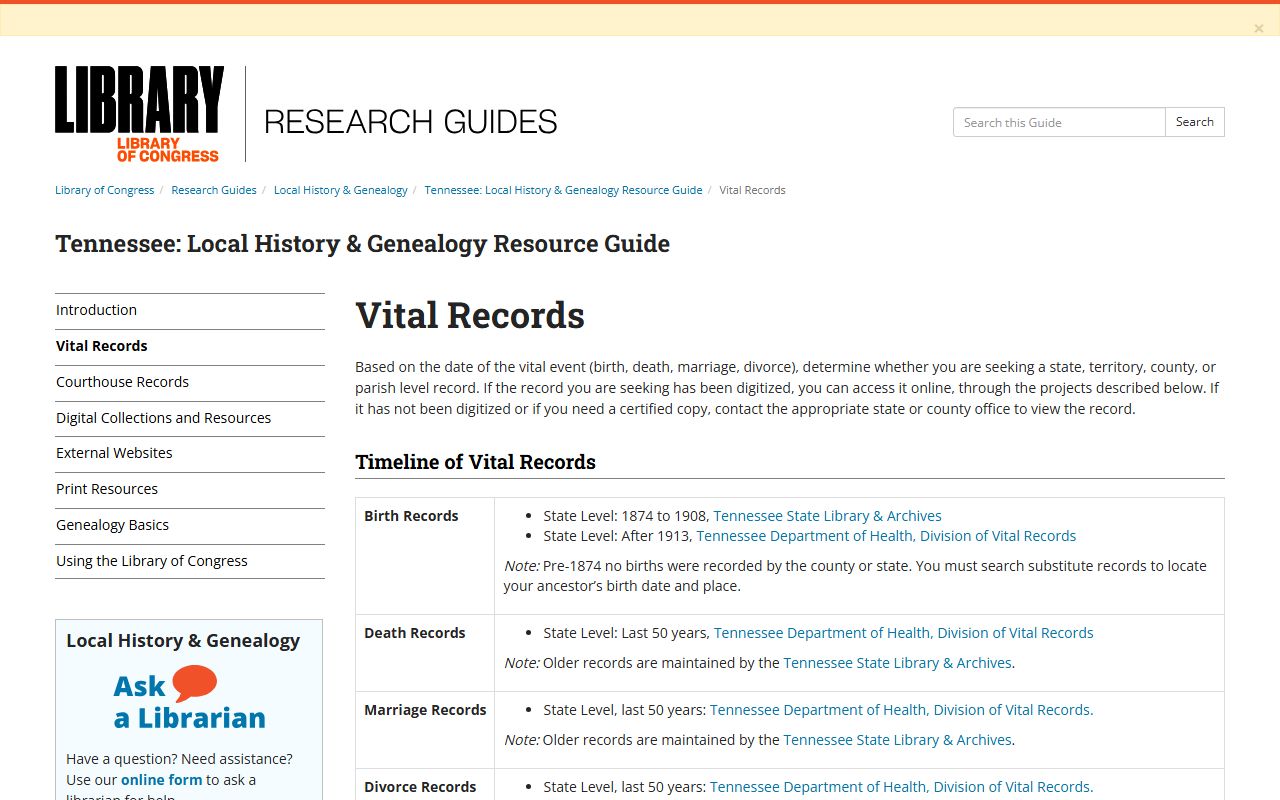
The Library of Congress image fits Moore County well because older Moore County Divorce Records often require a historical search path, not just a current clerk request.
Note: The county clerk can help with local context, but the circuit court clerk is the office that keeps the divorce case file.
Moore County Record Search
A strong Moore County Divorce Records search starts with the spouse names and a filing year. Add the case number if you have it. The circuit court clerk can search by name, which helps in a small county where the file trail is usually direct but not always fully digitized. If the divorce is old, the Tennessee State Library and Archives may be the better starting point after the clerk. Moore County was established in 1871, so it has a shorter history than some Tennessee counties, but there is still enough time for old paper to move into archive care.
The state reporting rule also matters. Under T.C.A. section 68-3-402, the court clerk forwards divorce records to the Office of Vital Records on a regular schedule. That is why Moore County Divorce Records may exist as both a county court file and a state certificate record. If your goal is just to confirm the event, the state copy may be enough. If you need the full file, stay with the county clerk. The two records serve different tasks.
For the state certificate workflow, use Tennessee Vital Records help and the official online vendor at VitalChek Tennessee.
- Full legal names of both spouses
- Approximate filing year
- County and court name
- Case number, if known
When the file is old, the Tennessee State Library and Archives guide at sos.tn.gov/library-archives/guides/vital-records-at-the-library-and-archives gives the archive route that often works best for Moore County Divorce Records.
Moore County Divorce Records Copies
Copies of Moore County Divorce Records come from either the county court or the state office. The county decree is the full court order. The state certificate is the shorter proof record. If you need to show that a divorce happened, the certificate may be enough. If you need the terms of the order, use the county decree. That difference matters in Moore County because people often ask for a "divorce record" when what they really need is the case file language.
The Tennessee Office of Vital Records can handle the certificate side through in person, mail, or the official vendor route. That gives Moore County searchers a second path when the courthouse file is too much record for the task. The state certificate also helps when you need a simpler copy for personal records or a name change issue. Moore County Divorce Records searches go smoother when you identify the document first and the office second.
The state contact page at cdc.gov/nchs/w2w/tennessee.htm gives the Tennessee vital records overview and contact details.
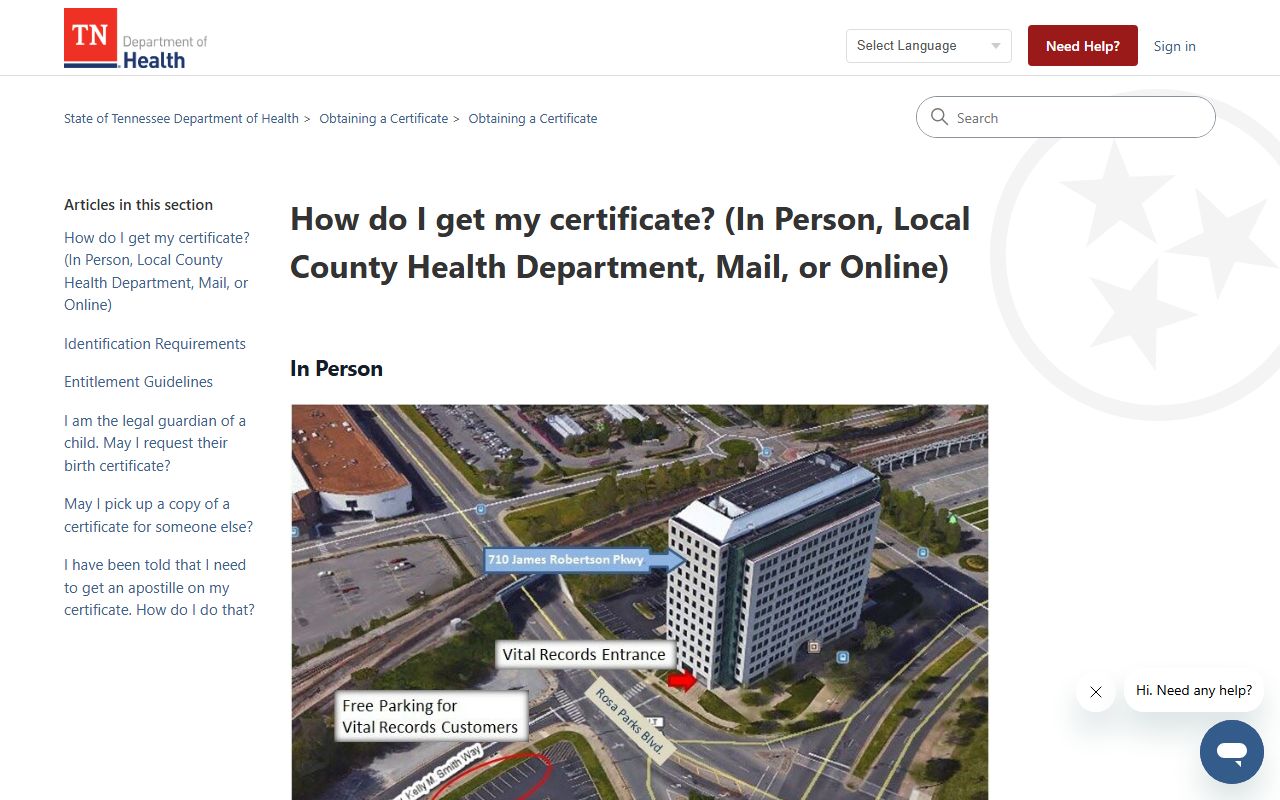
That image helps show the state certificate route, which is the right match when you only need proof of the divorce and not the full county file.
Note: A certificate can confirm the event. It does not replace the full court decree when you need case details.
Historical Moore County Divorce Records
Historical Moore County Divorce Records are often easier than people expect, but the route still matters. Moore County has records that go back into the nineteenth century, and the Tennessee State Library and Archives keeps county material on microfilm. That is helpful because older divorce files may no longer sit in active storage at the courthouse. When the county file is missing or thin, the archive copy may be the only practical way to confirm the divorce.
Because Moore County is small, historical searches can be quite efficient once you have the names and the year. The clerk may be able to confirm the record quickly, and the archives can fill any gaps if the file has moved. The county research does not point to a separate historic divorce office, so the court clerk and the archives remain the main tools. That is enough for most Moore County Divorce Records searches if you keep the request focused.
Use the Tennessee Secretary of State FAQ at sos.tn.gov/tsla/faqs/how-do-i-find-divorce-records when you need the archive path.
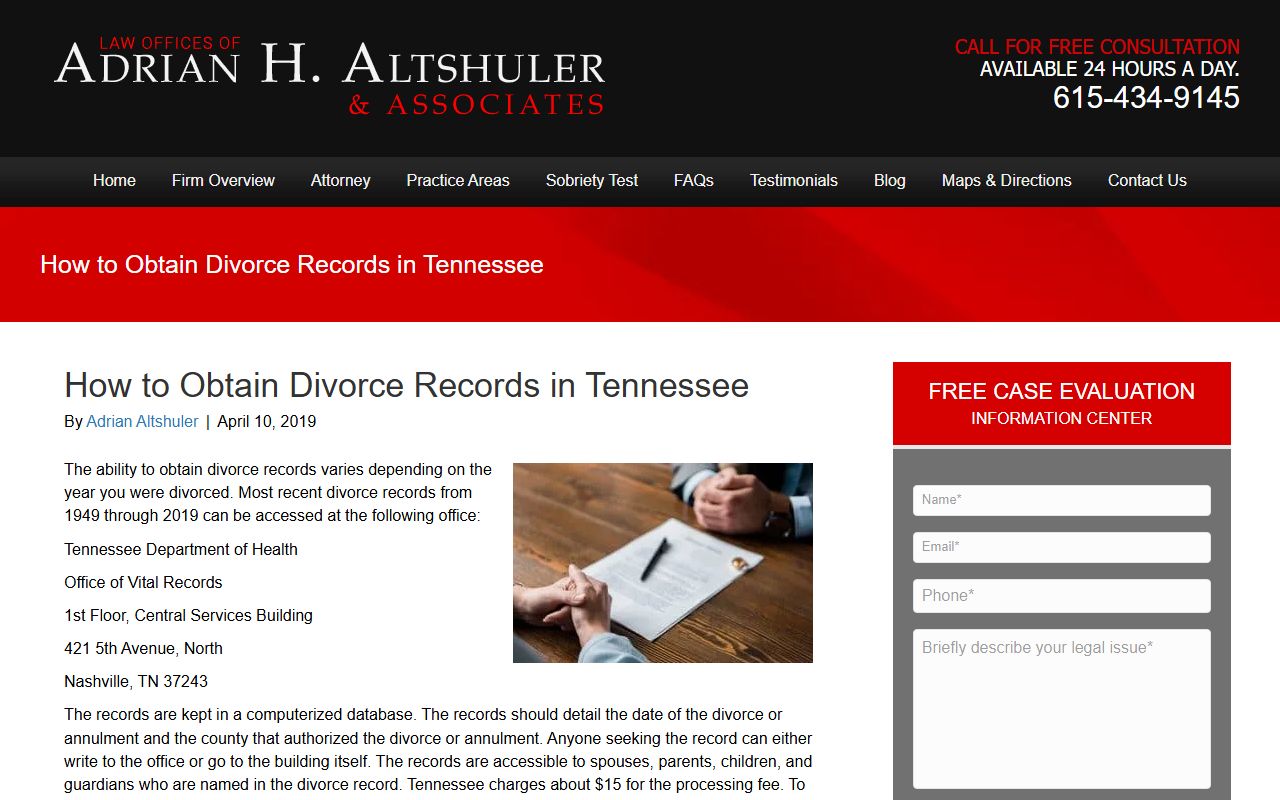
The archive and research image is a good fit because older Moore County Divorce Records often need more than one source to get a clean answer.
Moore County Record Help
If the Moore County search gets stuck, keep the request short. Ask the circuit court clerk for the decree. Ask the state office for the certificate. Ask the archives if the file is old. That keeps Moore County Divorce Records requests moving in the right direction. It also avoids confusion between the county court file and the state proof record, which is the most common mistake people make when they first start the search.
Public access still supports the search. Under T.C.A. section 10-7-503, public records are open unless a legal limit applies. That is why Moore County Divorce Records are normally available to the public through the proper office. If the file is sealed or partially redacted, the clerk can explain what you can inspect and what remains closed. The rule does not remove the need to ask the right office, but it does support the search once you get there.
Moore County works best when you treat the county file, the state certificate, and the archive record as separate tools for the same divorce.