
Search Rhea County Divorce Records
Rhea County Divorce Records are centered in Dayton, where the Circuit Court Clerk keeps the county case file and can provide certified copies when you need the decree. If the record is very old, the Tennessee State Library and Archives can become part of the trail. That gives Rhea County a split path that is common in Tennessee, but still easy to work if you know which document you want. A certificate, a decree, and a full court packet are not the same thing, so the best Rhea County Divorce Records request starts with the record type and the filing year.
Rhea County Quick Facts
Rhea County Divorce Records Office
The Rhea County Circuit Court handles divorce proceedings and keeps the county divorce record. The official court page at tncourts.gov points searchers to the court route, while the county clerk page at rheacountytn.gov shows the related office that handles marriage licenses and other county tasks. For Rhea County Divorce Records, the circuit clerk is the office that holds the divorce file and can provide the copy you actually need.
That matters because a lot of record requests start in the wrong place. The county clerk can help with local records tied to marriage, but the divorce decree belongs with the court clerk. If you know the spouse names and the filing year, the clerk can narrow the search quickly. If you do not, the office can still work with a rough date window. Rhea County Divorce Records are easier to find when the request is specific and the right office is chosen first.
The local court page is the clearest source for the Rhea County search path.
The source link is the Rhea County Circuit Court page.
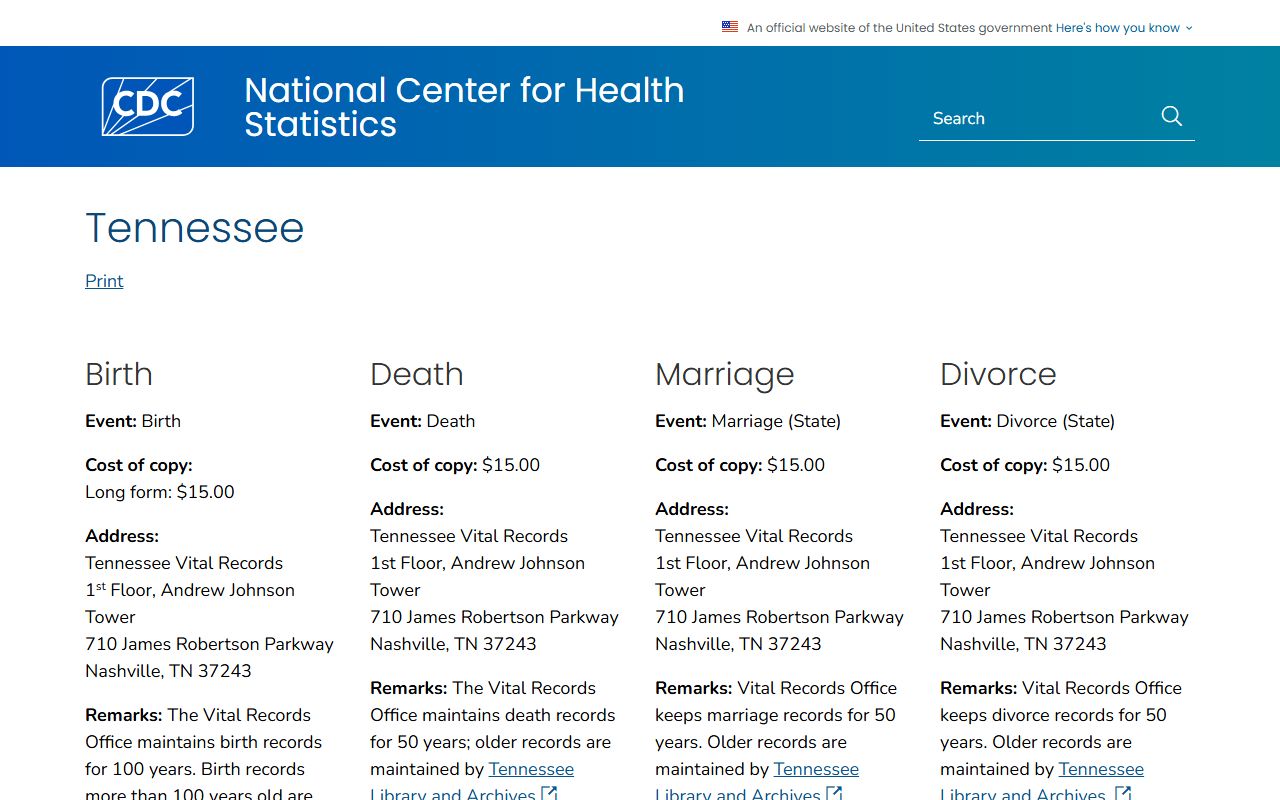
That state reference helps when the court file is not the only document you need.
Note: A request for the decree should go to the circuit court clerk, not the county clerk, when you need the full divorce case file.
Search Rhea County Divorce Records
A Rhea County Divorce Records search works best when you bring the full name of at least one spouse and an approximate filing year. A case number is even better. The clerk can use that to narrow the file in the court index. If the case is recent, the courthouse search may be fast. If the file is old, the search may turn toward the state archives system. Either way, the key is the same. Be exact enough that the clerk knows what record you want, but not so broad that the search becomes slow.
The Tennessee State Library and Archives guide at sos.tn.gov explains how older Tennessee records move after the retention period. That matters in Rhea County because the local courthouse is the starting point, but not always the final stop. The archive guide gives you a second route when the court file has aged out of the active counter.
- Full name of one spouse
- Approximate filing year
- County of filing
- Case number, if known
- Document type you need
Rhea County Divorce Records requests can also be mailed to the clerk if you cannot visit Dayton. The request should name the spouses, the file date, and whether you want a plain copy or a certified copy. That simple format saves time for the office and for you.
Rhea County Divorce Records Copies
The county clerk can provide copies of the divorce decree, but the state vital records office also has a certificate path. The Tennessee help center at vitalrecords.tn.gov explains that certified copies can be ordered in person, by mail, or online through VitalChek. That route is useful when you need a shorter proof-of-divorce record rather than the whole court file. It is a good backup if you only need the fact that a divorce happened.
For a full divorce decree, the court file is still the better source. The decree is what usually matters for a name change, a property question, or a legal filing. The state certificate is simpler. It confirms the event, but it does not carry the same detail as the county decree. In Rhea County, that difference often decides whether the request stays local or moves to the state office in Nashville.
The state archive and certificate system can be checked together with this official image.
The source link is the Rhea County court page.
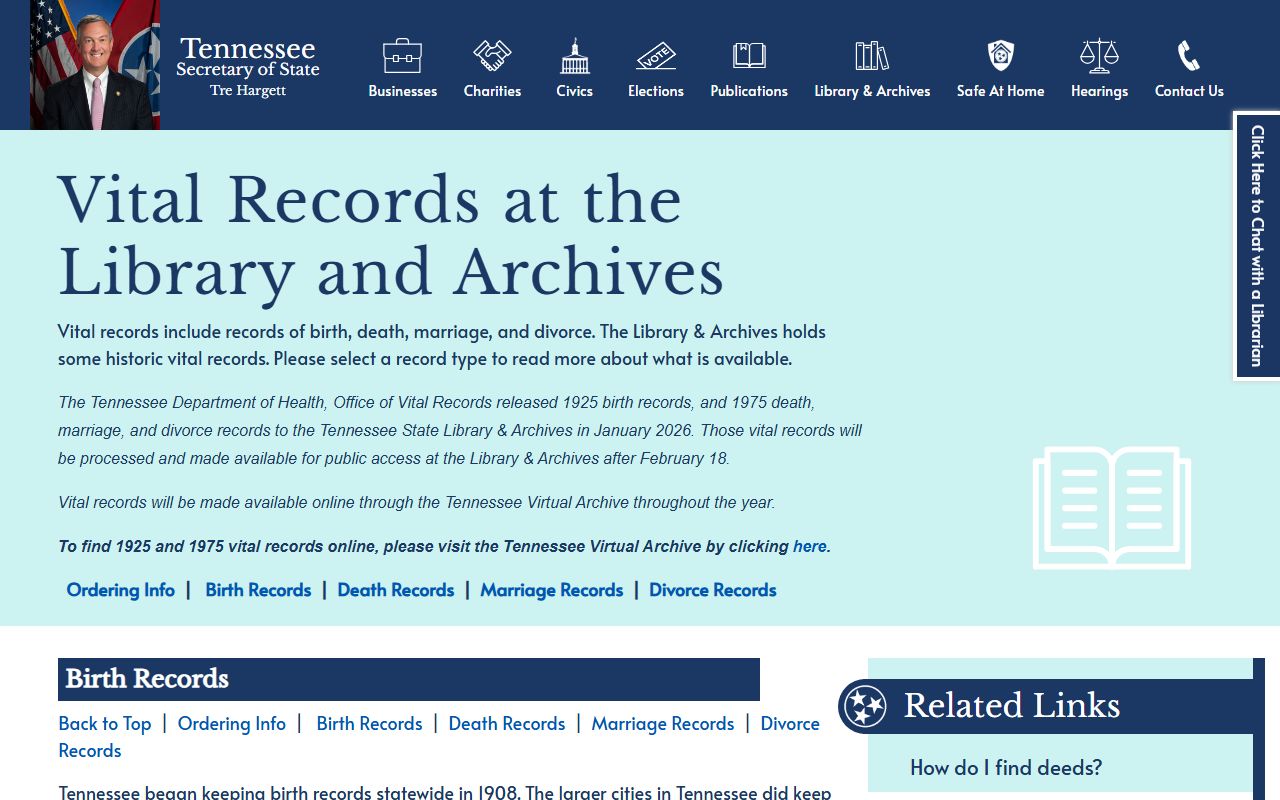
That state guide helps explain what happens when older Rhea County Divorce Records are no longer on the courthouse shelf.
Note: State certificates are not the same as the court decree, so pick the document that matches your use case.
Public Access to Rhea County Divorce Records
Rhea County Divorce Records are generally public in Tennessee, but access still has limits. Some details may be redacted from the copy you receive, especially information tied to children, account numbers, or sealed filings. That is normal. It does not mean the case is private. It means the court is balancing access with privacy. If a judge sealed a document, the clerk will not release it without the proper order.
The public access rule in T.C.A. section 10-7-503 gives the broad right to inspect government records. The divorce reporting rule in T.C.A. section 68-3-402 explains how the court clerk sends divorce records into the state system. Together, those rules help explain why a Rhea County record may show up in both the courthouse and the Tennessee vital records path.
Rhea County was established in 1807, so the historical paper trail can go back a long way. That makes the state archive guide useful for family history work, even when the current case is not very old. If you know the county seat is Dayton and the circuit court clerk is the holder of the file, you already have the best starting point for Rhea County Divorce Records.
The official public record link below helps frame the county search.
The source link is the Rhea County Circuit Court page.
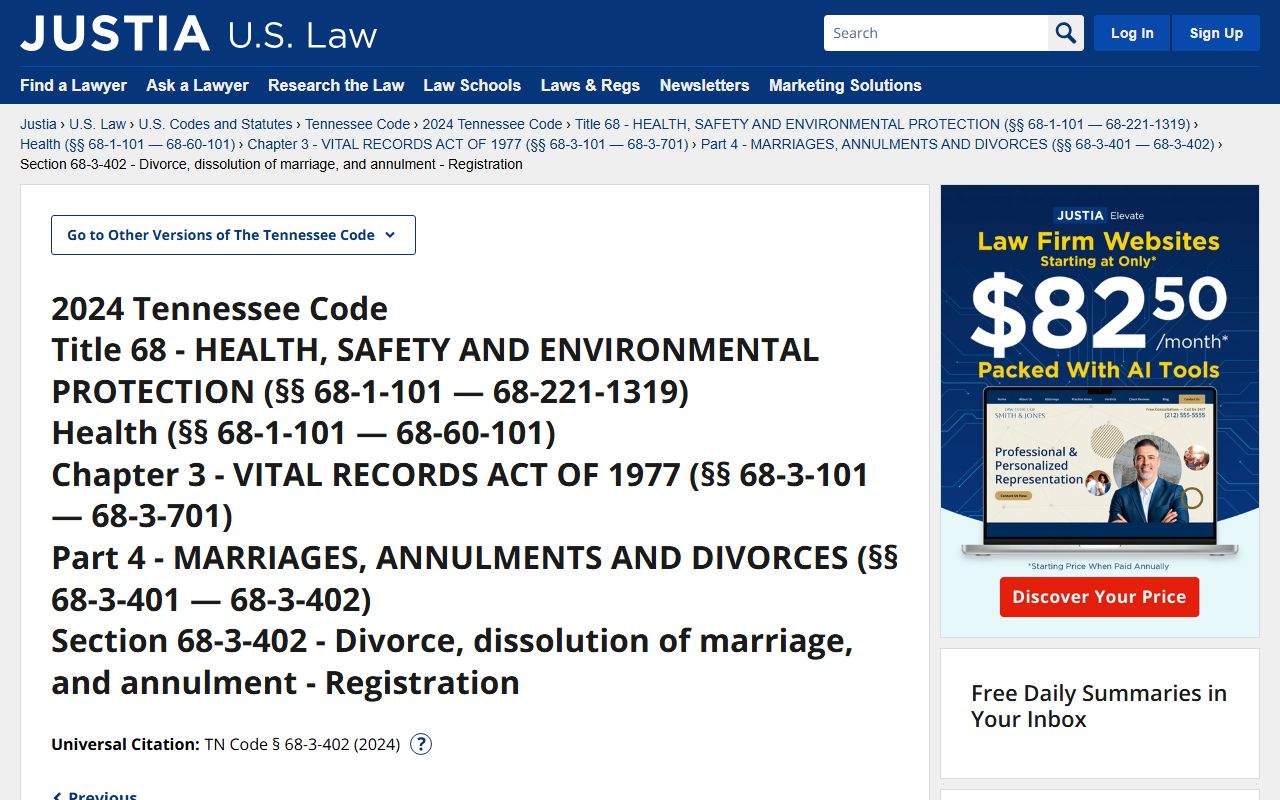
That statute image shows the reporting side of Tennessee divorce record keeping.
Historical Rhea County Divorce Records
Historical Rhea County Divorce Records often lead searchers to the Tennessee State Library and Archives. Old divorce files may no longer sit in the active court room, but the archive system can still point you toward the record group or microfilm source. That is especially useful if you are tracing a family line or trying to confirm the date of an older case. The county clerk office and the circuit court clerk still matter, but the archive guide becomes more important as the record ages.
For older Rhea County Divorce Records, start with the county, the spouse names, and a rough date. Then decide whether you need the courthouse file or the archive trail. A narrow request usually gets you a better answer faster. The same approach works for recent and historical records alike.
The Tennessee archives guide gives the historical path a clear starting point.
The source link is the Tennessee State Library and Archives guide.
That archive FAQ helps explain where older Tennessee records go after they leave the active courthouse file.